
Hidetsugu Ueno
Owner-bartender, Bar High Five
ombining a base spirit with Cointreau and fresh lemon juice is a classic cocktail formula loved by people all over the world. It takes on different names depending on the base—for example, with a gin base, it’s a White Lady, and with a rum base, an XYZ.
I want iichiko Saiten to spread all over the world, so with this cocktail, I set out to create something that could be made anywhere. I therefore tried replacing the gin in a White Lady with iichiko Saiten.
I also aim for my citrus cocktails to be very light and easy to drink, almost like water. I use a technique that involves shaking hard to incorporate many tiny bubbles, which improves the mouthfeel, and purposefully not straining the cocktail also leaves fine shards of ice behind. The ice floats on the surface and melts away the instant it touches the tongue, which creates a pleasant sensation.
Cocktails
Special Cocktail Recipes
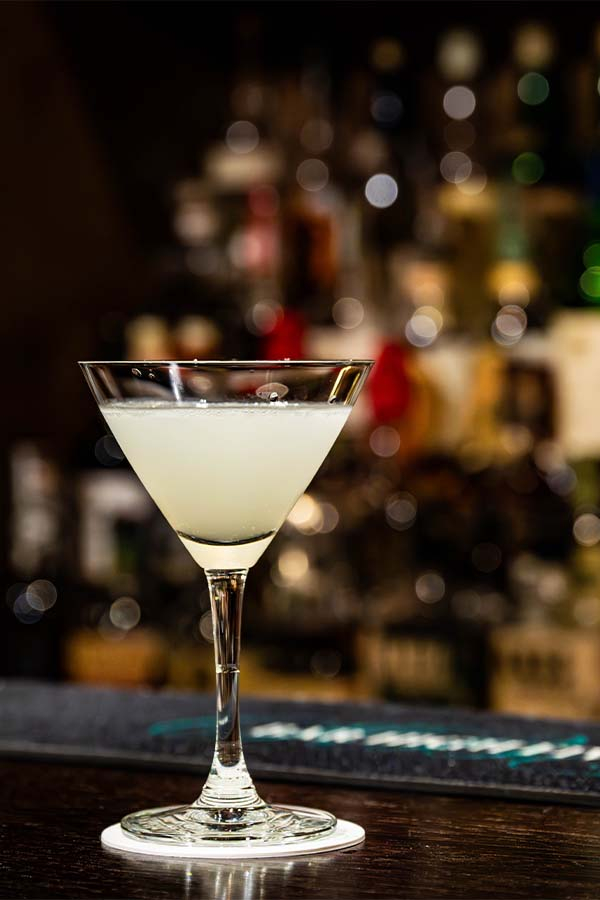
- White Koji Lady
Special
- Ingredients
- 45 ml iichiko Saiten
15 ml Cointreau
15 ml Fresh Lemon Juice
- Method
- • Pour all the ingredients into a cocktail shaker
• Add ice cubes and shake
• Pour into a cocktail glass
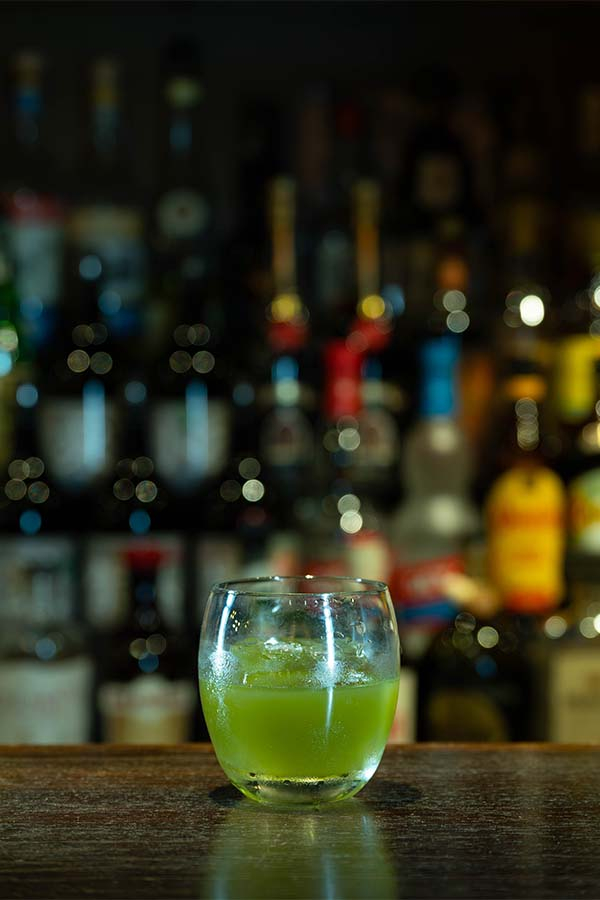
- iiTEAko
Special
- Ingredients
- 60 ml iichiko Silhouette
10 ml Matcha Liqueur
5 ml Matcha Syrup
2.5 ml Matcha Bitters
Matcha Powder
- Method
- • Add all ingredients to a mixing glass
• Add ice cubes and stir
• Pour into a serving glass filled with ice and garnish with matcha powder
Hidetsugu Ueno
Owner-bartender, Bar High Five
Low-alcohol cocktails have been drawing more attention lately, and bartenders are actively offering such cocktails to customers as well. Considering its standard alcohol content of 25%, honkaku shochu struck me as well-suited to this trend.
The cocktail’s name, “iiTEAko,” is a play on the name “iichiko” itself: the “chi” sound is reimagined as the word “tea” in a nod to the matcha at the drink’s heart. In terms of flavor, I combined three different tea-based elements. The cocktail was made for guests who aren’t fond of the strong punch of alcohol. Instead, I wanted to let them savor each sip as if they were drinking tea—and it has been very well-received.
The matcha liqueur and matcha syrup work well to add flavor, and combining the two gives the drink a fuller body. I make the matcha bitters in-house from high-proof alcohol and tea leaves. They act almost like salt and pepper for the cocktail; the tannins in the tea leaves lend some bitterness, so I add just a small amount to tighten up the flavor.
